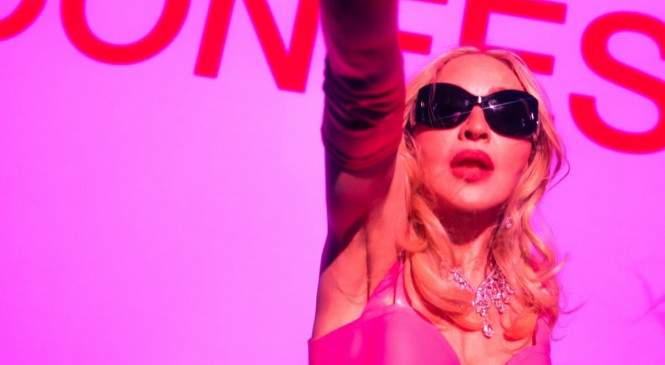
Madonna revisits her dance music legacy with a brand new album, ‘Confessions II’. It is a sequel to the pop Queen’s 2005 release, ‘Confessions on a Dance Floor’.
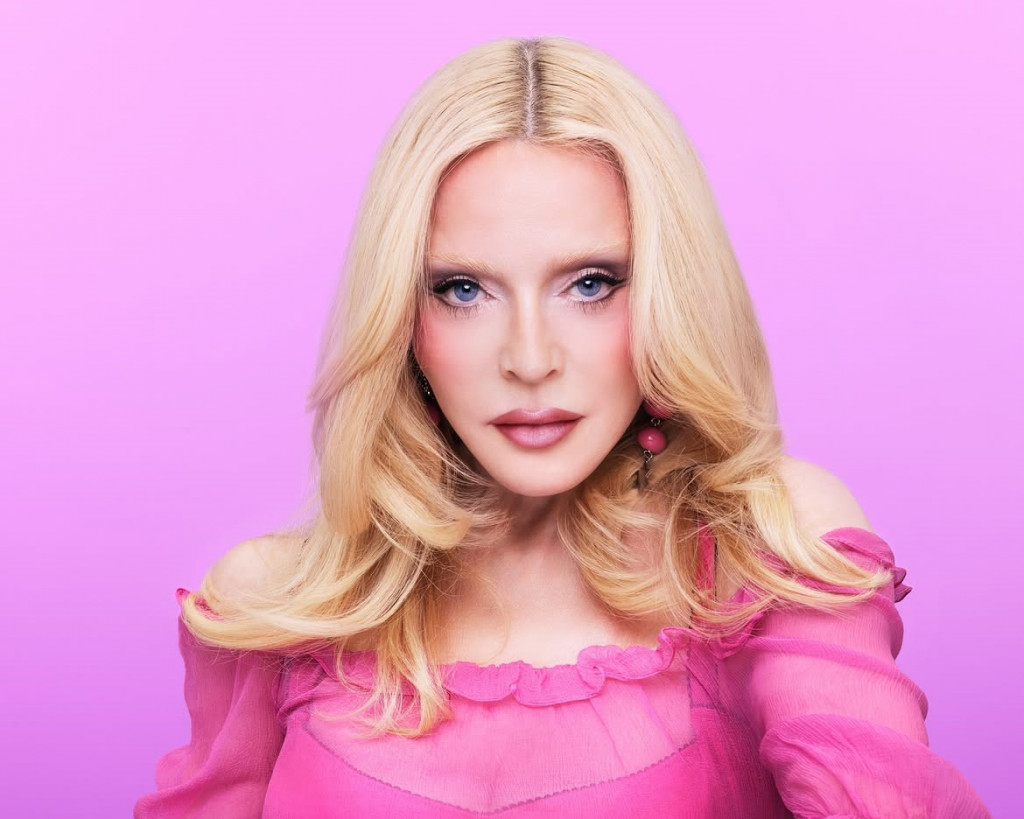
Reuniting with longtime collaborator Stuart Price, Madonna once again takes charge of the writing and production across most of the record. Their creative partnership remains as sharp as ever, while additional contributions from Arca and Andrew Watt subtly widen the album’s sonic palette. Much like its predecessor, ‘Confessions II’ unfolds as one uninterrupted listening experience. Every transition flows naturally, allowing the songs to merge into one another like a carefully curated DJ set that rewards listeners who experience the album from beginning to end.
Where ‘Confessions on a Dance Floor’ leaned heavily into disco-inspired dance pop, this follow-up dives deeper into the pulse of Detroit and Chicago house music. That shift becomes obvious from the opening track, ‘I Feel So Free’, which pairs hypnotic rhythms with a smart sample of Lil Louis’ classic club anthem ‘French Kiss’. It immediately establishes the record’s identity as an album that understands dance music as more than entertainment. Every beat carries a sense of freedom, while the production balances polished electronic textures with an unmistakable underground spirit.
Longtime fans will appreciate the many references woven throughout the album. Instead of relying on nostalgia, these moments create a conversation between Madonna’s past and present. ‘Everything’ recalls the seductive atmosphere of ‘Justify My Love’, while ‘My Sins Are My Savior’ channels the dreamlike mood of ‘Bedtime Story’. Spoken word passages also echo the understated intensity of ‘Erotica’, reminding listeners of one of the boldest creative periods in her career. These callbacks strengthen the album because they never distract from its forward-thinking approach.
Among the standout moments, ‘Danceteria’ shines as a vibrant tribute to the legendary New York nightclub where Madonna found both her artistic direction and creative community. The mention of producer Mark Kamins, who helped launch her career with ‘Everybody’, adds emotional depth beneath its infectious groove. It captures the excitement of discovering music, friendship, and identity in the city’s thriving club culture.
View this post on Instagram
Not every experiment lands with equal success. ‘School’, with its repeated Picasso references and chaotic production, feels less focused than the surrounding tracks. A handful of songs rely more on Madonna’s unmistakable charisma than unforgettable songwriting. Even so, her commanding delivery keeps the album engaging throughout. She continues to perform with conviction, making even the weaker moments difficult to ignore. The closing stretch reveals the album’s emotional heart. After an extended run of pulsating house rhythms, the pace softens without losing momentum. ‘Fragile’ honors her late brother Christopher with warmth and sincerity, blending rave-inspired production with genuine emotion. The closing duet, ‘The Test’, features her daughter, Lola Leon. The song explores regret and acceptance through smoky trip-hop textures that provide a satisfying conclusion.
‘Confessions II’ succeeds because it balances celebration with inner expression. Madonna never sounds like an artist chasing trends or attempting to recreate former glory. Instead, the artist draws inspiration from her own history and reshapes it with remarkable confidence. The result came out as an album that honors her extraordinary catalogue. More importantly, it reminds listeners why Madonna remains one of pop music’s most defining artists. Even after decades of breaking boundaries, she still understands how to make music that moves both the body and soul.
Follow Madonna on : Facebook | Instagram | Twitter
Check out For More News Updates on Google News