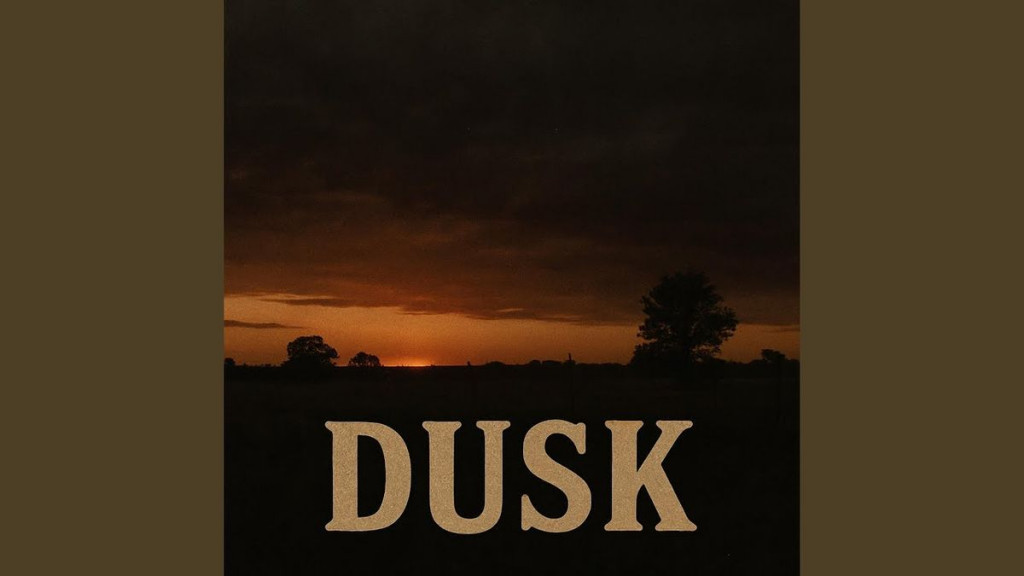
Rusty McRivers steps into a darker and deeply emotional space with ‘Pain in the End’ from his newest album Dusk. The song leans into sentiment and restraint, letting the weight sit where it should be. There is intense tension in the sound, yet calm in his delivery. We recently had a conversation with the artist where Rusty opened up about the song’s meaning and the mood behind his composition. So, let’s get ahead and know what we talked about.
DMR. Hello Rusty, congratulations on the song that has been receiving such praise from listeners. So, when did ‘Pain in the End’ first take shape for you?
Rusty. It started with that opening image — waking up in a quiet that feels wrong. That moment when something familiar is suddenly gone and the day already feels heavier than it should. Once that feeling landed, the rest of the song followed naturally.
DMR. What feeling motivated you to write the track?
Rusty. Loss mixed with exhaustion. Not just missing someone, but being worn down by carrying it every day. It’s that sense of paying emotional debts you didn’t even know you owed.
DMR. Did you have any changes between the song being in its demo version and its final version?
Rusty. Early on, it leaned more toward explaining the hurt. Over time, I let the images do the work — the cold coffee, the empty sheets, the silence. The final version trusts the listener to feel it instead of being told what to feel.
DMR. How did this single fit into the bigger mood of Dusk?
Rusty. This song lives right where Dusk lives — in that space after the light fades but before anything heals. It’s about sitting with the damage instead of rushing past it.
DMR. Was there a moment that defined the album for you?
Rusty. The bridge of this song. Realizing that numbing yourself doesn’t save you — it just keeps the fire burning. That truth shaped the rest of the record.
DMR. How personal is this song compared to your past work?
Rusty. Very personal. There’s nowhere to hide in it. The details are real, the feelings are raw, and the perspective is honest — even when it’s uncomfortable.
DMR. What artists or sounds influenced your writing for this song and the album?
Rusty. I gravitated toward songs that sit in the wreckage instead of offering quick relief. Music that lets pain breathe, where space and restraint matter as much as melody.
DMR. What do you hope listeners take away from ‘Pain in the End’?
Rusty. That heartbreak doesn’t always look dramatic. Sometimes it’s quiet mornings, empty rooms, and memories that won’t let go. And that feeling lost doesn’t mean you’re weak — it means you cared.
DMR. What emotion did you want to avoid while making this record?
Rusty. Self-pity. I didn’t want the song to beg for sympathy. It’s honest, but it stands on its own without asking anyone to feel sorry for the narrator.
DMR. How has your musical journey been so far?
Rusty. It’s been slow and internal. I spent years writing without sharing, learning how to say things truthfully. Putting this song out feels like opening a door I kept closed for a long time.
DMR. Who is that one artist you hope to collaborate with one day?
Rusty. Someone who understands restraint — who knows when not to sing, not to play, not to fill every space. The right collaboration would feel more like a conversation than a performance. With that said Chris Stapleton is an artist I would love to collaborate with. He is a person defined by humility, authenticity, and a deep-seated work ethic, his family values and his craft are things he values over stardom.
DMR. What is next for you?
Rusty. Continuing to tell the truth, even when it’s uncomfortable. More music, finishing my book of poems, and letting the work evolve naturally instead of forcing the next chapter.
Check out the link for the video: https://www.youtube.com/watch?v=bSkfBWlJSIU
Follow him on Facebook // Apple Music // Spotify.
Check Out For More News Updates on Google News.