Argentinian band Azul Prusia is back with their latest album, ‘Manifiesto’. This album consists of a total of 9 tracks, including an intro, and each of them delivers an ethereal music experience to the listeners. Offering a unique sonic identity, this band has only one main musician who handles everything as a songwriter and producer, and several collaborators work together to create a uniform, engaging, and enjoyable musical ride. Let’s find out more through the artist’s own words.
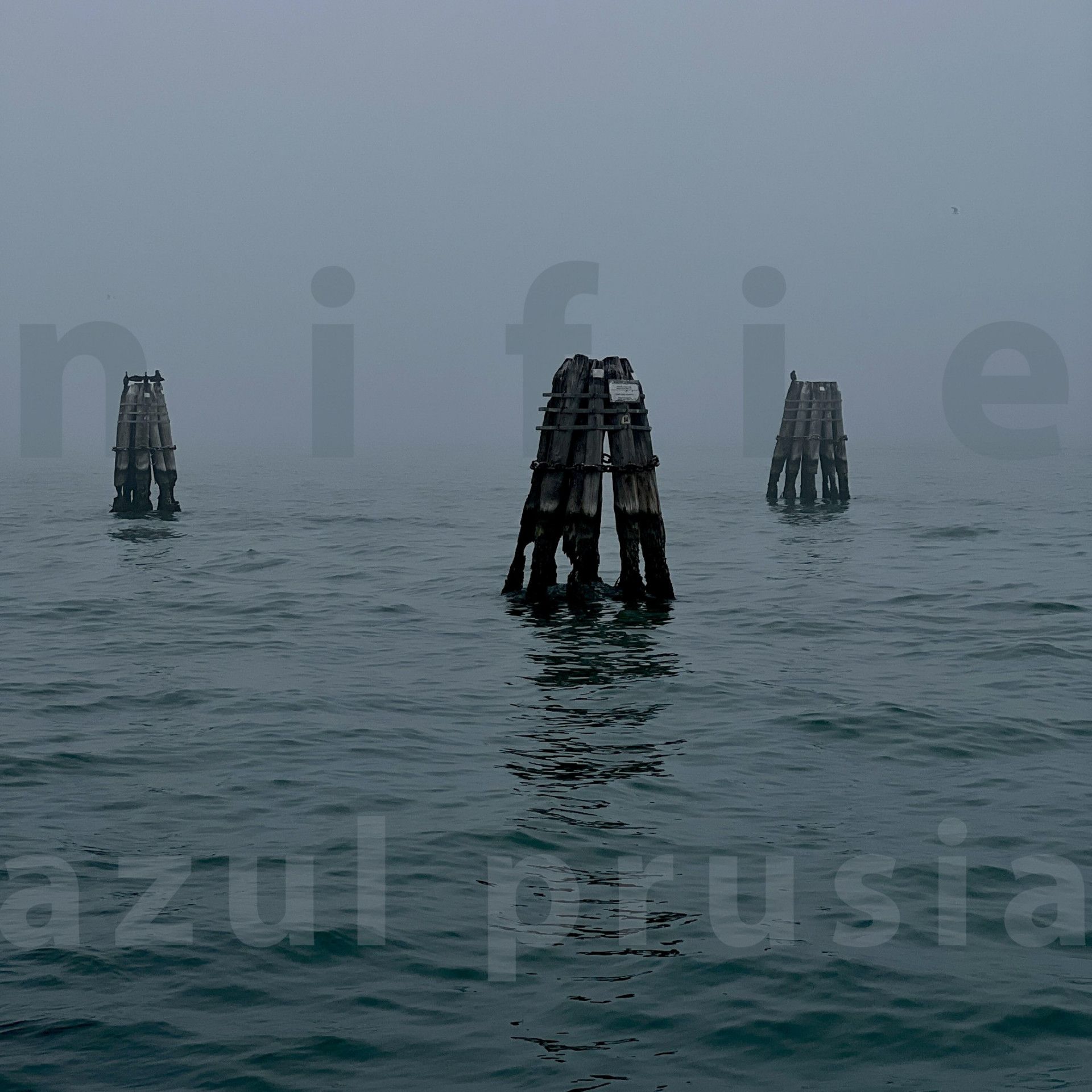
DMR: Congratulations on the release of ‘Manifiesto’. Please tell us about the album.
Azul: I’ve been playing music and writing songs for about thirty years, and at one point, back in 2023, I decided to use home studio technology and streaming platforms to try recording some and distributing them this way. And while these are only eight songs with an instrumental intro, I have at least 100 more already written for possible future recordings.
DMR: Did you manifest the creation of ‘Manifiesto’? Share more about the creative process.
Azul: The album title, “Manifiesto” does not come from the idea of manifesting something, but from the artistic (and sociopolitical) meaning: a statement about my way of producing music: no matter the origin, acoustic instruments, electric, synthesizers, loops, samples, VSTs, MIDI, any element of any kind is equal and welcomed if it contributes to the sonic identity I want to convey. I know this is not for everyone but I never expected it to be.
DMR: Azul Prusia is truly a unique name for the band. When did you start exploring the Prussian Blue color through music?
Azul: Azul Prusia (Prussian Blue) was the first synthetic pigment in art history —an invention that changed how artists could create. I chose that name because my music is made through a similar process: blending organic and synthetic elements to craft something new, emotional, and somehow unexpected.
DMR: What would you like to tell us about the Argentinian music industry?
Azul: Well, actually, it isn’t all that different from what’s happening in the rest of the world. The industry has always been a place of access for just a few people, given that there’s a significant investment of money. And with any investment, there are demands. I’m on a completely different path, one of absolute independence: no one puts up any money, but there are no external demands either. And since I’m not doing this to get rich or famous, I’m happy with the trade-off. I don’t believe in celebrities and influencers, to be honest, but I do believe in art for its own sake.
DMR: As an Argentinian music artist, do you feel the language barrier is an obstacle to reaching global audiences?
Azul: Not really. Actually, it’s more of an impediment when writing lyrics. The English language has much shorter words, and writing an elegant sentence can take just a few syllables, which means fewer notes. In Spanish, words are longer and grammar works in a different way, making it harder to reign it in for a melody. To give you a universal example: “Wish you were here” is 4 notes, but in Spanish it would be “Desearía que estuvieras aquí,” which, depending on how you arrange it, gives you around 11 notes… just to say exactly the same thing.
DMR: What are your views on the new age of the boiling pot of the global music industry?
Azul: I don’t care for it much really. I think the main industry more than ever just promotes and sells a kind of readymade product, be it a boy band or a reggaeton act. Again, I’m not doing this to be massive —I know that is not going to happen anyway—, I just want to reach a few people who really connect with what I do.
DMR: How is your experience of working with session artists and collaborators?
Azul: The main difference is that I have the final say. And I really like that it’s kind of a revolving door, people coming and going, some staying longer, others not so much, but everyone contributes their own thing, and sometimes some kind of discovery happens, and those are the best times. On this album, for example, on the track “Kyrie,” I worked with a Ukrainian pianist. I met him through some musician forums, and he had posted that, with the country at war, he wanted to make music as pure escapism. I had the chords and a demo, but I’m not particularly good at playing the piano, so I sent him an mp3 file of the demo and said, “I’d like something more romantic, a little Chopin-esque,” and what he sent me was exactly what I was looking for.
DMR: How would you like to describe your genre and style? Are you open to experimenting with other genres?
Azul: I don’t think I identify with one musical genre, and I think that’s because of the thousand things I like. As a music fan, I listen to everything from Bach to Ligeti, from Leonard Cohen to Pet Shop Boys, from Pink Floyd to Depeche Mode, from Serú Girán to Soda Stereo, including contemporary German folk and classic Latin American rhythms. What I do have is an aesthetic idea of what I want to do. On this album, I wanted there to be a lot of atmosphere, a lot of layered sound construction, even in a relatively classic song format. At the same time, I have several types of music in mind to work with, from a possible record with a more acoustic and intimate feeling, to another one much more focused on frenetic, crushing rhythms.
DMR: Who are the creative influences on your musical journey?
Azul: Much of what I listed above, but there are also influences that don’t come from music, and they weigh heavily on the music I make. The album’s intro, or the techno-tribal passage in the middle of “Kyrie”, those emerged more as images calling for sounds than as proper music. In the latter case, I had that nostalgic piano ballad and suddenly I could see a procession in my head, people marching with candles, mourning the death of something or someone. That led me to search for the sounds I ended up layering in that section. And hence the title, which comes from a centuries-long musical tradition.
DMR: Is there any dream collaboration that you want to be a part of?
Azul: For me, the best possible collaboration isn’t with a celebrity, but with open-minded people who can leave their egos at the door and adopt a mindset of playfulness and adventure, of artistic vulnerability and mutual trust with me, just to see what happens.
DMR: Is there any upcoming project that you are working on? Please shed some light.
Azul: I have already started working on a few things. I want to release in a few months or maybe next year an EP of more intimate songs, with just piano, bass and guitar, maybe something else, but a sheer contrast with the huge production layering of this record. And I also begun working on a more sped-up rock/jazzpop thing that may see the light some day in the future.
DMR: Would you like to share a few words with the listeners?
Azul: I’d like to say something that I find interesting. Some music is recorded and produced with an ideal setup in mind: to be loud at clubs, to sound clear on the radio, to make good use of low-fi speakers, and so on. And while you can listen to ‘Manifiesto’ any way you like, it is designed to be a headphones experience most of all. So, if you liked it, I’d say, lie down and have a go at it with headphones, and you might just get a much more immersive journey.
Album Links:
https://open.spotify.com/album/0TTqrodS36NzXhPhGWixBb
https://music.apple.com/in/album/manifiesto/1826568566
Follow Azul Prusia on Instagram || YouTube
Check Out For More News Updates on Google News