


Image Source: pexels.com
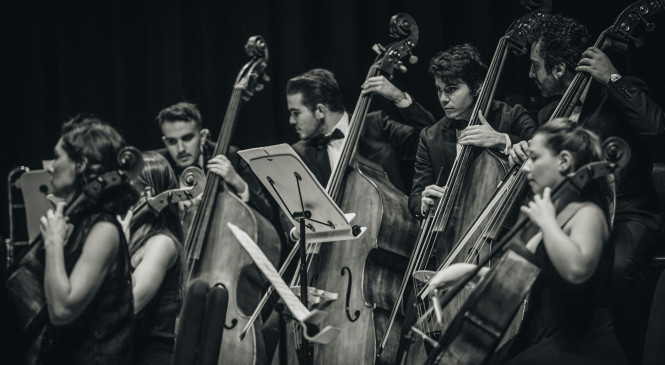
Classical Music Month is celebrated in September, and it honors the depth and beauty of this timeless art form. Though different from today’s popular songs, classical music laid the foundation for the modern music styles we all enjoy now. Its influence can be found in melodies and harmonies, along with the structures that shaped music across generations and styles, making it an enduring gift to the world!
What does classical music mean to music lovers?
When most people hear the term classical music, they imagine one grand era filled with legendary composers and their timeless work. But classical music is so much more than that. It is not a single chapter in history. It is a long and evolving story that is divided into unique periods. Each of these periods has its own voice and character.
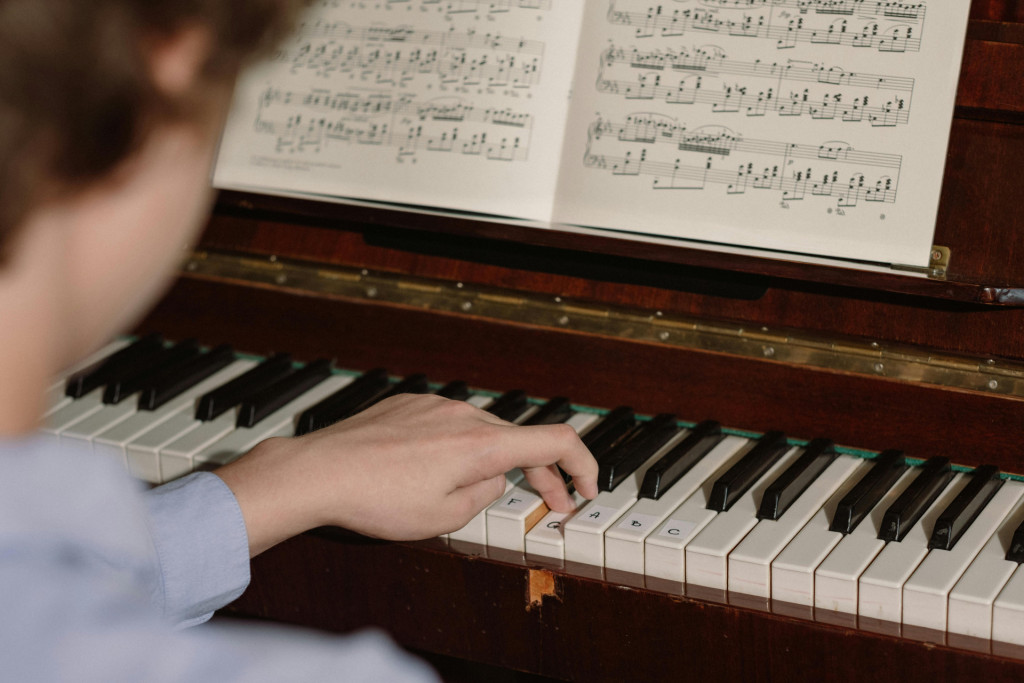
From the elegance of Baroque to the boldness of the Romantic era, classical music kept shifting and experimenting within itself to grow bigger than it already is. What makes classical music fascinating is how it reflects change while holding onto its historic beauty. The evolution shows us the endless ways sound can move the soul.
Timeless eras of classical music –
Medieval era (500ish – 1400)
The medieval era of music was deeply shaped by the church and its teachings. You would see early forms like Gregorian Chants and Organum setting the foundation of sacred traditions. These haunting and spiritual sounds defined the atmosphere of worship. Influential composers of this time, such as Hildegard von Bingen and Guillaume de Machaut, brought innovation that still echoes in history.
Renaissance era (1400/1450 – 1600)
The Renaissance era opened doors to new ideas, giving composers greater freedom beyond the church’s influence. Experimentation thrived, and the invention of the printing press in the 1400s made music more accessible than ever. Instrumental works began to flourish alongside vocal pieces. Renowned composers like William Byrd, Claudio Monteverdi, and Josquin Des Prez shaped this vibrant and transformative period in music history.
Baroque era (1600 – 1750)
Baroque music was rich and ornate. It was marked by the rise of forms like the concerto, cantata, oratorio, and sonata. Instruments grew more refined in this era, shaping the sound of the era. Legendary composers such as Johann Sebastian Bach, Georg Frideric Handel, and Antonio Vivaldi defined this influential musical period.
Classical era (1750/1775 – 1820)
The Classical era brought music that was simpler and more balanced compared to the ornate Baroque style. Composers emphasized clear melodies in this era, while dynamics or changes in volume became an important part of expression. This period also saw woodwinds join the orchestra, which enriched its sound. Great composers like Wolfgang Amadeus Mozart, Franz Joseph Haydn, and Ludwig van Beethoven shaped the era. Beethoven, however, is often seen as a bridge. He carried the Classical style into the bold and emotional world of the Romantic period.
Romantic era (1820 – 1910)
The Romantic era was marked by deeply expressive and emotional music that captured emotion, passion, drama, and individuality. Orchestras grew larger, with expanded woodwind and brass sections adding power and richness to performances. This period gave rise to unforgettable works from composers such as Frédéric Chopin, Franz Liszt, Richard Wagner, PyotrIlyich Tchaikovsky, and Johannes Brahms, whose creations continue to stir hearts and inspire musicians around the world today.
How should you celebrate classical music month?
Celebrate Classical Music Month by immersing yourself in the beauty of timeless compositions. Listen to classical pieces alone for quiet reflection on life or share the experience with friends and family for a meaningful connection. You can also attend a local concert to feel the maximum impact of live performance and discover the richness of orchestral sound.

To celebrate this month, take time to learn a new instrument or revisit the one you already play. If you are in school. Consider joining the band or a music club to explore the joy of making music with others. Also, share your celebration and inspire others by posting with #ClassicalMusicMonth on social media.
Check out For More News Updates on Google News


