


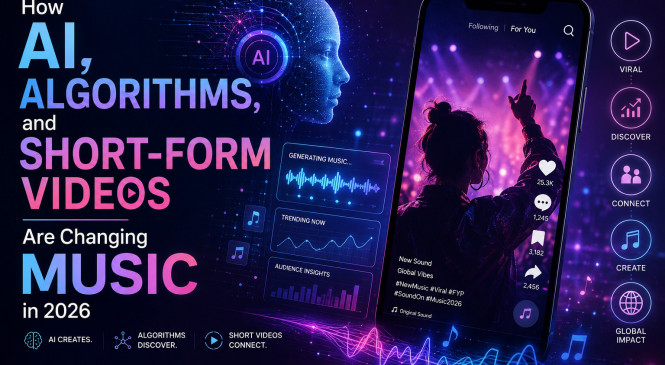
In 2026, AI, algorithms, and short-form video are merging into a single ecosystem that dictates how music is created and discovered. From AI music tools and algorithm-driven recommendations to TikTok, Instagram Reels, and YouTube Shorts, technology is reshaping how artists reach audiences and how listeners find new songs. Music discovery now depends heavily on digital trends, viral content, streaming platforms, and data-driven decisions. They create new opportunities for artists while changing the traditional path from recording a song to building a lasting music career. So, let’s dig deeper and understand how AI, algorithms, and short-form videos are changing the music industry at present.
How AI is changing music creation –
Artificial intelligence is becoming part of the everyday music-making process, moving beyond novelty tools and into established Digital Audio Workstations such as Logic Pro, FL Studio, and Pro Tools. AI can now assist with stem separation, mixing, and early-stage ideas, helping producers spend less time on repetitive work and more time shaping their sound. For artists working in areas such as sync licensing and gaming, this means faster experimentation and a higher volume of finished music.
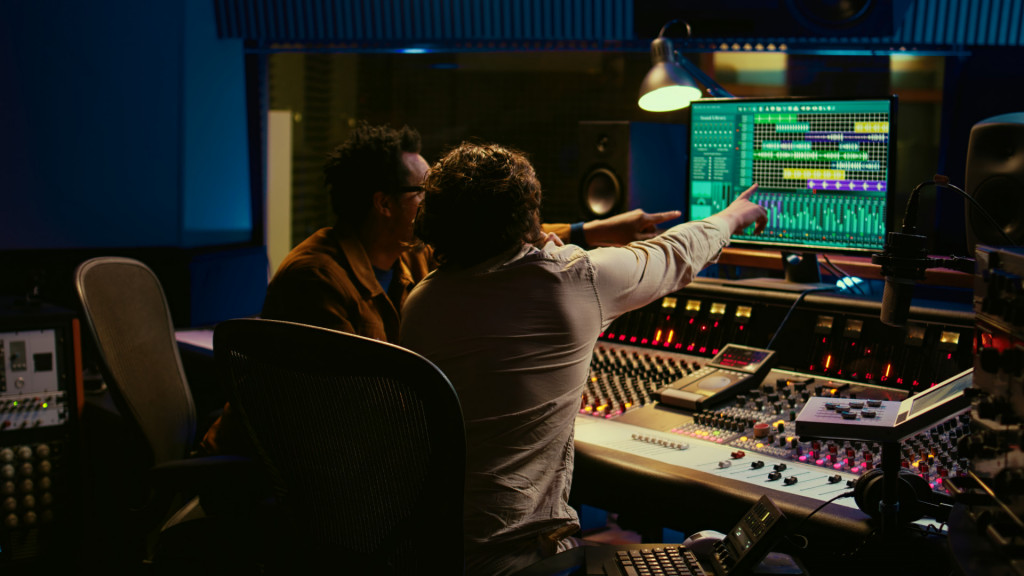
At the same time, the legal landscape around AI music is evolving. Rather than relying solely on lawsuits over training data and copyright, major record labels and AI companies are increasingly exploring licensing agreements. This shift could influence how artists, producers and platforms approach AI-assisted music creation while opening new conversations around ownership, royalties and creative control.
How do algorithms influence music discovery?
Music discovery in 2026 is increasingly shaped by algorithms, with short-form video platforms such as TikTok, Reels, and YouTube Shorts playing a major role in deciding which songs reach wider audiences. A track can move from an independent release to a viral moment when the right clip, trend, or creator interaction catches the attention of recommendation systems and keeps listeners engaged.
Audio itself has also become an important ranking signal. Platforms can track how people respond to a sound, from repeated plays and shares to profile visits and the amount of time users spend watching content built around it. When a song consistently encourages engagement, algorithms have more reason to push it towards new audiences, creating a powerful cycle of discovery.
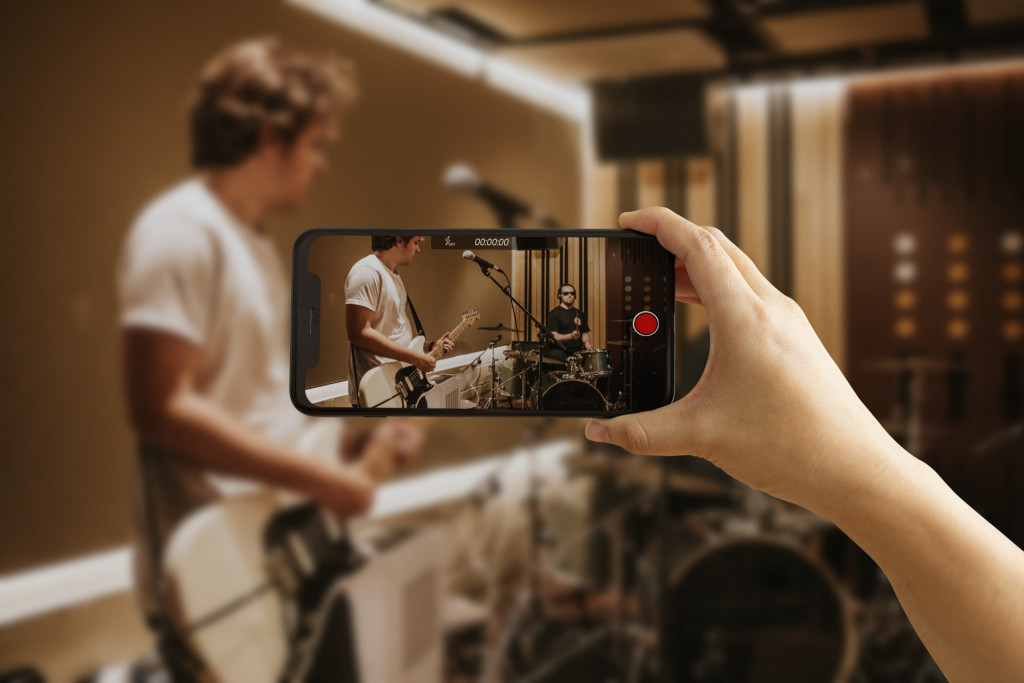
This shift is also influencing how music is written. More artists and producers are creating strong 15 to 30-second hooks that can work naturally within short-form content, giving a song a better chance of being shared and replayed. While this approach can help turn social media attention into streaming numbers, it also raises questions about whether songs are being created for the listener or for the algorithm.
Why can short-form video turn a song into a global hit?
Nowadays, it is easy for short-form videos to turn any song into a global hit as it gives artists instant access to massive online audiences. Platforms such as TikTok, Instagram Reels, and YouTube Shorts allow catchy hooks and engaging sounds to spread quickly through shares and user-generated trendy content. When a track connects with a viral moment, listeners can move from watching a short clip to streaming the full song. This creates a powerful opportunity for music discovery and can turn emerging artists into global names overnight.
Are artists now writing songs for TikTok and Reels?
The answer to the question of whether artists are writing songs for TikTok and Reels is a simple word: yes. Short-format videos are increasingly influencing how artists and songwriters approach music creation, particularly when it comes to TikTok and Instagram Reels. The change can be heard in the structure of many modern tracks, where the focus is placed on creating an immediate musical moment that can capture attention within seconds.

The 15-second hook has become especially important. The trend of producers building memorable choruses, punchlines, or rhythmic phrases that can loop naturally in short videos is also on the rise. At the same time, longinstrumental intros are becoming less common as artists move quickly into vocals, beats, or other attention-grabbing elements that are designed to reduce scrolling. Here, internet culture also plays a role. Some independent musicians have started to shape their lyrics around memes and viral sounds. They have also created rhythms that match the dance formats that can encourage user-generated content on social media.
Chart hits further show how strongly TikTok and Instagram Reels can shape modern songwriting and music discovery. PinkPantheress’ ‘Boy’s a liar Pt. 2’ gained huge attention through short-form content, with its instantly recognizable vocal hook becoming a natural fit for social videos. Tate McRae’s ‘greedy’ similarly benefited from viral choreography, supported by its energetic production and immediate vocal entry. Sabrina Carpenter’s ‘Espresso’ also became a social media favorite through its catchy chorus, playful lyrics, and highly shareable moments. These examples show how artists can create songs with memorable sections that work beyond streaming platforms and encourage listeners to engage through short-form video.
The AI debate: creativity, copyright, and authenticity
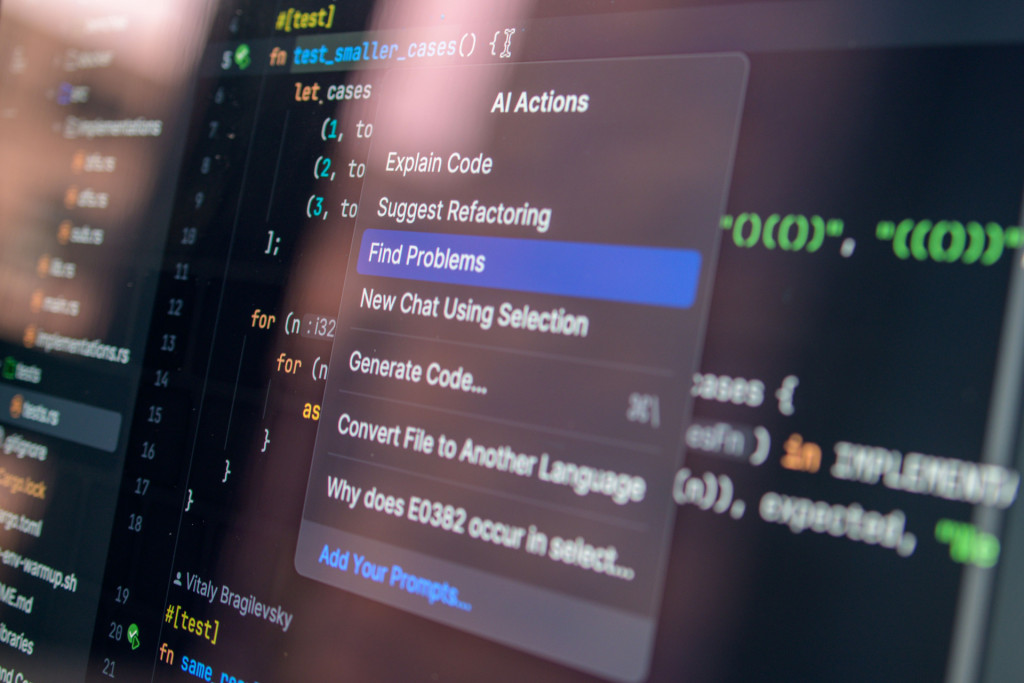
The rise of AI music has opened a complicated debate around creativity, copyright, and authenticity. AI tools can help artists experiment with sounds, develop ideas, and speed up production, but questions remain about who owns AI-generated music and how copyrighted material is used to train these systems. Authenticity is another concern for listeners, especially as AI-generated vocals and compositions become harder to distinguish from human work. This challenge is finding a balance between technological innovation and genuine artistic expression.
How are these changes impacting independent artists?
For independent artists, the changing music industry brings both opportunity and pressure. AI music tools can make production faster and more accessible. On the other hand, TikTok, Instagram Reels, and streaming algorithms offer new ways to reach listeners without traditional gatekeepers.
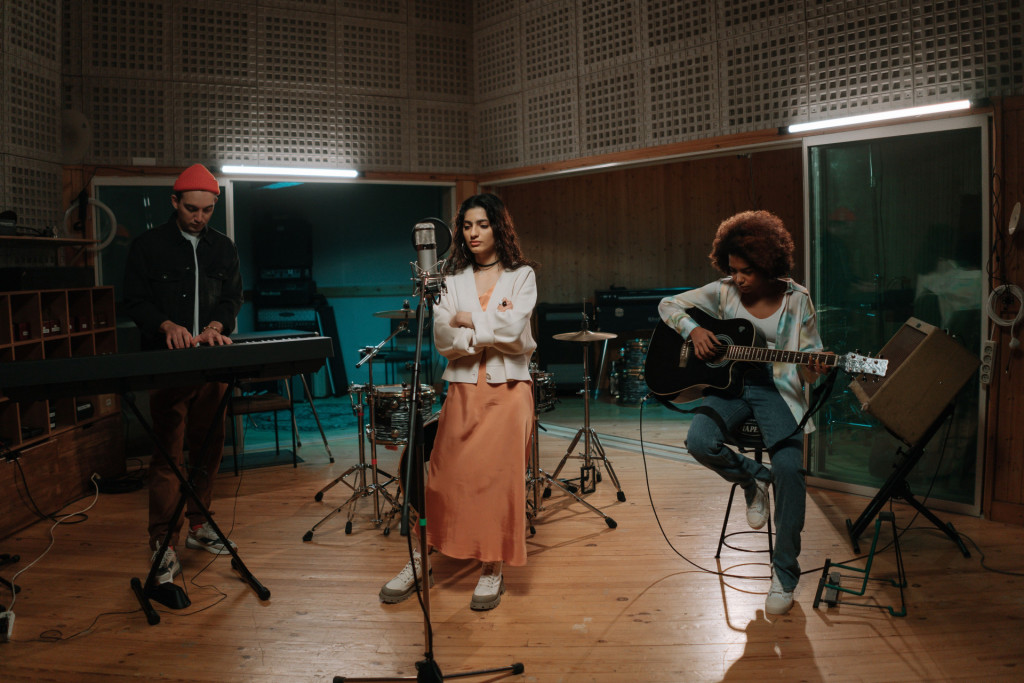
At the same time, artists need to understand music marketing, short-form content, and digital trends alongside their craft. Building a strong identity is still essential for them as algorithms increasingly influence music discovery and audience growth.
What does the future look like?
The future of music is most likely to be shaped by a closer relationship between human creativity and technology rather than one replacing the other. AI music tools can support composition, production, mixing, and sound design, while algorithms and short-form video platforms can help artists understand audiences and expand music discovery. Yet the emotional direction and artistic identity behind a song still come from people. As AI music production continues to develop, artists who combine technical tools with original ideas may find new ways to create distinctive sounds.

The next phase of the music industry could therefore belong to those who use technology without losing the human story at the heart of their music.
Conclusion
The music industry is moving through a major transformation as AI music production and short-form video reshape how songs are created, discovered and promoted. These technologies can give artists faster workflows, wider reach, and new creative possibilities, but technology alone cannot build a meaningful connection with listeners. Originality, emotion, storytelling, and a recognizable artistic identity still matter. Understanding digital music trends can open valuable opportunities, especially for independent musicians. As the industry evolves, the strongest artists will be those who embrace innovation while keeping their own voice and human experience at the center of their music.
Check out For More News Updates on Google News


