Shakira drew 2 million fans to Copacabana Beach with a free show, lighting up Rio as she told the crowd, “Life is magical,” in a night full of energy and emotion.
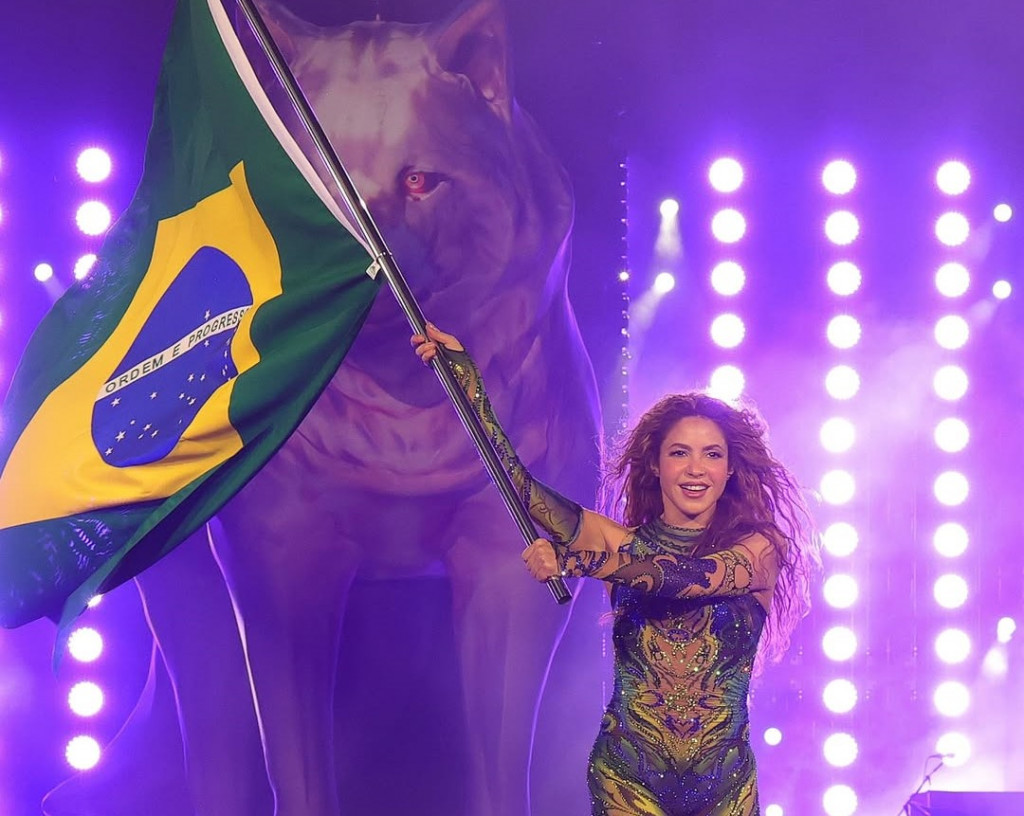
The night finally came alive as Shakira stepped on stage at Copacabana Beach around 11 p.m., over an hour later than planned. The delay did little to slow the energy. Fans were already in full voice, cheering as drones lit up the sky with “I love you Brazil” written in Portuguese. “I arrived here when I was 18 years old, dreaming about singing for you,” Shakira told the crowd shortly after coming on stage. “And now look at this. Life is magical.” The moment felt personal, almost reflective, as she stood before one of the biggest crowds of her career.
The setlist leaned into nostalgia and connection. Tracks like ‘Hips Don’t Lie’, ‘La Tortura’, and ‘La Bicicleta’ kept the crowd moving. She closed the night with ‘BZRP Music Sessions #53/66’, a track shaped by her recent split from Gerard Piqué. The performance carried both celebration and quiet strength, especially as she paused to speak about resilience. “Us women, every time we fall we get up a little wiser,” Shakira said. City officials later confirmed the scale of the night. Eduardo Cavaliere shared that 2 million people had gathered, calling the moment historic and referring to her as the She-Wolf, a nod to her 2009 hit. The show added another chapter to her long-standing bond with Brazil, a connection that dates back to her early career in the 1990s.
That relationship runs deeper than just chart success. According to researcher Felipe Maia, her Colombian roots carry cultural similarities that resonate strongly with Brazilian audiences. Saturday’s show, he noted, felt like a culmination of that connection built over decades. Fans also seemed to echo that sentiment. Hellem Souza da Silva, leaving the beach after the concert, pointed out how performances like this help shape a shared Latin identity. These artists, she said, highlight a broader cultural unity across countries like Brazil, Puerto Rico, and Colombia.
The build-up to the concert had started long before nightfall. Crowds filled the beach early in the day, hoping to secure a good view. Vendors moved through the sand selling everything from snacks and drinks to unexpected essentials like deodorant and even bags of sand to stand on. Among them was Simone Paula da Cunha, who arrived the night before, hoping to sell enough to make around $100. Beyond the music, the event played a bigger role for the city. Officials see these free concerts as a way to keep the local economy active after peak festive seasons like Carnival and New Year’s Eve. Early estimates suggest the show could bring in around 777 million reais, boosted by tourism and spending across hotels, restaurants, and local businesses.
The numbers further back it up. Data shows a clear rise in visitors during years when major concerts take place. Travel platforms have also reported growing interest from across Brazil, other parts of Latin America, and even cities like Paris and London. For Rio, nights like this turn into moments that reshape both culture and economy at once!
Follow Shakira on : Facebook | Instagram | Twitter
Check out For More News Updates on Google News.