


Image Source: pixabay.com
Artificial Intelligence is reshaping the music industry, changing how artists write, produce, record, and present their work. From generating melodies and lyrics to refining mixes and mastering tracks, AI is becoming a powerful creative partner in the studio. Furthermore, it has also opened doors to professional production for independent artists without always needing expensive equipment or large teams. As technology continues to evolve, AI brings exciting possibilities while raising important questions about creativity and the human touch that gives music its most special identity.
So, let’s explore how AI is changing the music production process and what its future would look like!
AI in music production – what is it?
AI in music production brings machine learning and intelligent software into different stages of the creative process. Today’s tools can help shape melodies, chord progressions, and drum patterns while also assisting with lyrics and instrumental arrangements. AI can further support mixing, mastering, noise removal, and vocal enhancement. It gives artists more control over their sound. Rather than taking the musician’s place, it works as a creative assistant. AI helps producers experiment freely while saving time and turning ideas into finished tracks.
How is AI reshaping music production?
1. Assistance in songwriting
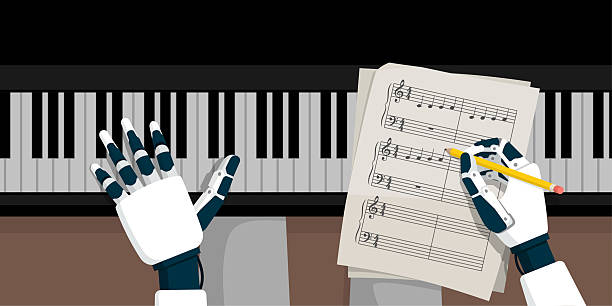
AI-assisted songwriting is opening new creative doors for musicians. By entering details such as genre, mood, tempo, key, and preferred instruments, artists can generate melodies. At the same time, they can also generate chord progressions and song structures tailored to their vision. These ideas can then be shaped and refined by the artist. It makes AI a useful creative partner that helps overcome writer’s block while encouraging fresh musical directions and unexpected possibilities.
2. Smart music composition
AI is giving music creators a new way to explore sound by analyzing vast libraries of existing songs and identifying patterns in rhythm, harmony, melody, structure, and instrumentation. Using these insights, AI can generate original compositions across genres such as pop, rock, hip-hop, EDM, jazz, classical, lo-fi, and cinematic music. Its growing role is particularly valuable for projects that require music to match a specific mood or setting. Filmmakers can use it for scoring scenes, while game developers can create immersive soundtracks that respond to different moments. Advertisers, podcasters, and YouTube creators can also turn to AI for accessible, flexible music that supports their content without slowing down the creative process.
3. AI in mixing and mastering

Mixing and mastering can take years to master, but AI is making these technical stages far more accessible. Intelligent tools can automatically fine-tune EQ, compression, reverb, stereo imaging, loudness, and frequency balance to create polished results within minutes. This means professional-sounding releases without always relying on costly studio sessions, which can be quite beneficial for independent artists. Human engineers still bring deeper artistic judgment, but AI offers a faster and practical way to refine a track.
4. Voice generation
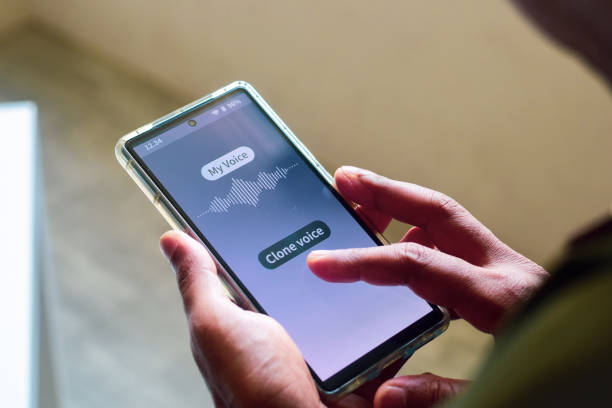
AI-generated vocals are becoming remarkably sophisticated. It gives artists new ways to experiment with the human voice. Modern technology can create realistic singing performances, reshape vocal style, translate songs into different languages, restore damaged recordings, and even develop virtual singers. These possibilities are exciting for music creators, yet they also bring difficult conversations around copyright and originality, and who truly owns an AI-generated voice.
What are the benefits of AI in music production?

- Faster music production
- Low production cost
- Accessibility for beginners
- Increased creative experimentation
The relationship between human creativity and AI

For all its rapid progress, AI still struggles to capture the depth of genuine human emotion that gives great music its soul. The strongest songs often grow from personal experiences, cultural influences, emotional stories, and even the imperfections that make a performance memorable. AI can create polished and technically impressive compositions, but it cannot truly live through the moments that inspire them. As music continues to evolve, the future may be less about artists competing with AI and more about using technology alongside human creativity to shape something meaningful.
Challenges of AI use in music production
1. Ethical matter
As AI models learn from vast collections of existing music, artists are raising valid concerns about how their work is being used. Unauthorized training, voice cloning, style imitation, and questions over fair revenue sharing remain major issues. As the technology moves forward, clearer licensing systems and stronger protections will be essential to ensure creators retain control and receive fair recognition for their work.
2. Copyright issue
Who owns music created by AI remains one of the industry’s most debated legal questions. As AI-generated songs become more common, governments and copyright bodies are working to establish clearer rules around ownership, authorship and protection in this rapidly changing musical landscape.
3. Loss of human touch
AI can reproduce musical patterns with impressive precision, but capturing genuine emotional depth remains more difficult. Many listeners continue to connect with the raw human moments and the subtle flaws and unexpected details that human performances produce. These imperfections often give a song its character and personality, creating an impactful impression.
What does the future of music production look like?
The next decade could take AI in music production far beyond what we see today. As the technology becomes more advanced, recording studios may rely on AI for everything from tracking and editing to mixing and mastering, while virtual musicians become increasingly convincing. Artists could also create songs in multiple languages almost instantly, making music more accessible across borders. Real-time AI collaboration may allow musicians to build arrangements, experiment with sounds, and develop compositions while they work. Emotion-aware systems could add another fascinating layer by responding to the mood and intensity of a performance. At the same time, personalized soundtrack tools may create music tailored to individual listeners, films, games, or digital experiences.
AI-powered virtual orchestras could also become a practical part of modern production. It will give independent creators access to expansive arrangements without the resources traditionally required. Yet the real promise of these innovations lies in what artists can do with them. AI is likely to become another instrument in the creative process, helping musicians explore unfamiliar sounds and work with greater freedom.
How can musicians prepare for the next era?
Artists who learn to work with AI could find themselves better prepared for the changing music landscape. Staying ahead means becoming comfortable with AI-powered production tools while continuing to sharpen the songwriting skills that give music its identity. A strong artistic voice, memorable storytelling, and genuine emotional connection will remain important as technology becomes more involved in the creative process. Musicians can use AI to speed up repetitive tasks, test fresh ideas, and explore sounds they might not otherwise discover, while still making the final creative decisions themselves.
Keeping up with copyright developments will also matter as questions around ownership and licensing continue to evolve. Most importantly, artists should approach new technology with curiosity rather than fear. The musicians who understand how to balance AI’s efficiency with human instinct may have the strongest opportunity to create distinctive work and connect with audiences in meaningful ways.
Conclusion
The future of AI in the music industry, especially music composition, actually looks promising and exciting. It is already making music creation faster and more accessible than ever before. From music production to songwriting and vocal arrangements, Artificial Intelligence is transforming every aspect of music making.
Check out For More News Updates on Google News


